


ISO certification shows up in a lot of company bios and “about us” pages, often without much explanation of what it actually means or why a client should care. It’s a fair thing to be sceptical of as a vague credential — but understood properly, it’s a genuinely useful signal when you’re trying to judge whether Interior Designers Nairobi Kenya operate with consistent standards, rather than relying on the skill of whichever individual happens to be assigned to your project.
What ISO Certification Actually Signals
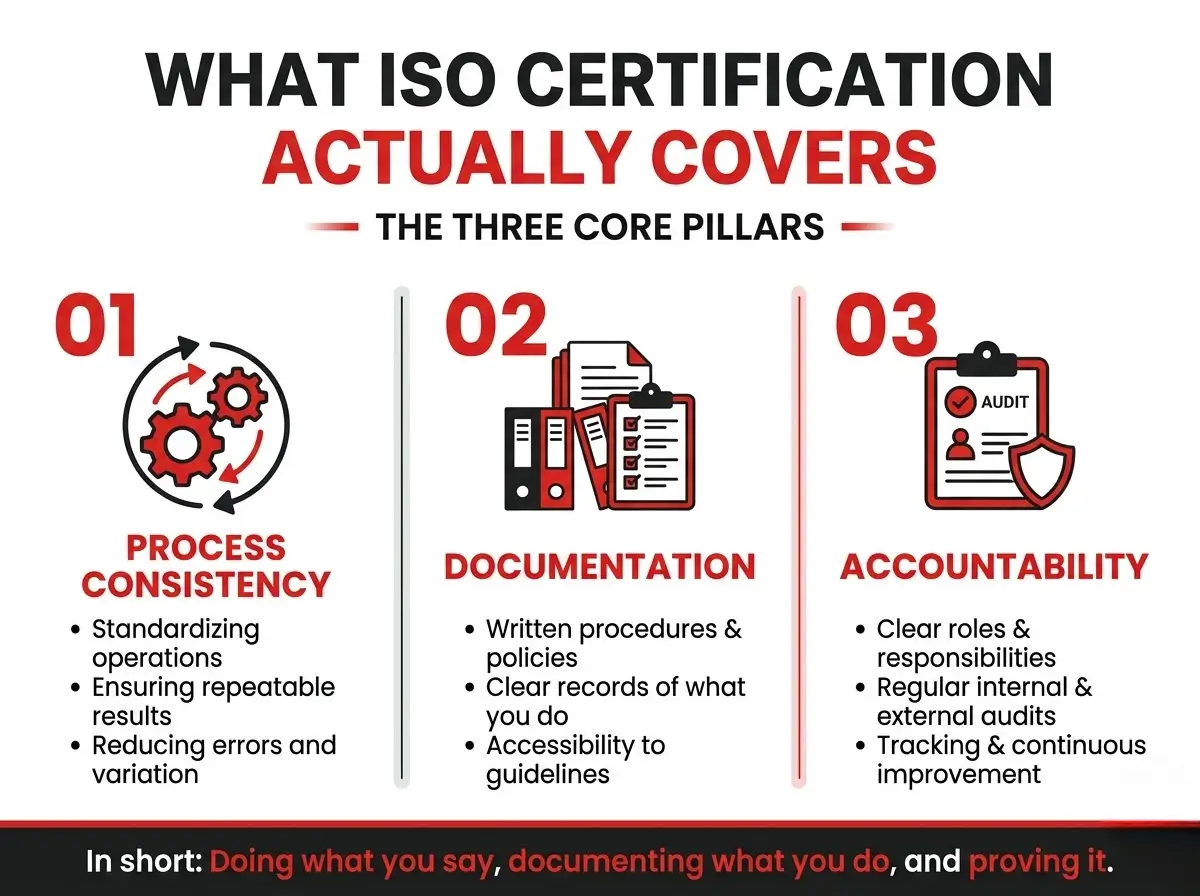
ISO standards relate to consistent quality management processes within a business — not a judgment on creative style or taste, but a structured way of ensuring that quality, documentation, and process are maintained across every project, not just the ones that happen to get extra attention. For a client, that distinction matters: a beautifully designed showcase project doesn’t tell you much about what you’ll get if your project is smaller, less glamorous, or handled during a busy period for the firm.
Why This Matters More for Interior Design Than It Might Seem
| Without Consistent Process Standards | With ISO-Certified Process Standards |
|---|---|
| Quality can vary significantly between projects | A structured process aims for consistency across all projects |
| Documentation and planning may be informal | Formal processes support clearer planning and accountability |
| Client experience depends heavily on which team member handles the project | Standards reduce dependency on any single individual’s approach |
| Harder to verify quality claims | Certification offers a verifiable, external standard |
R World Enterprise Ltd.’s ISO Certification in Context
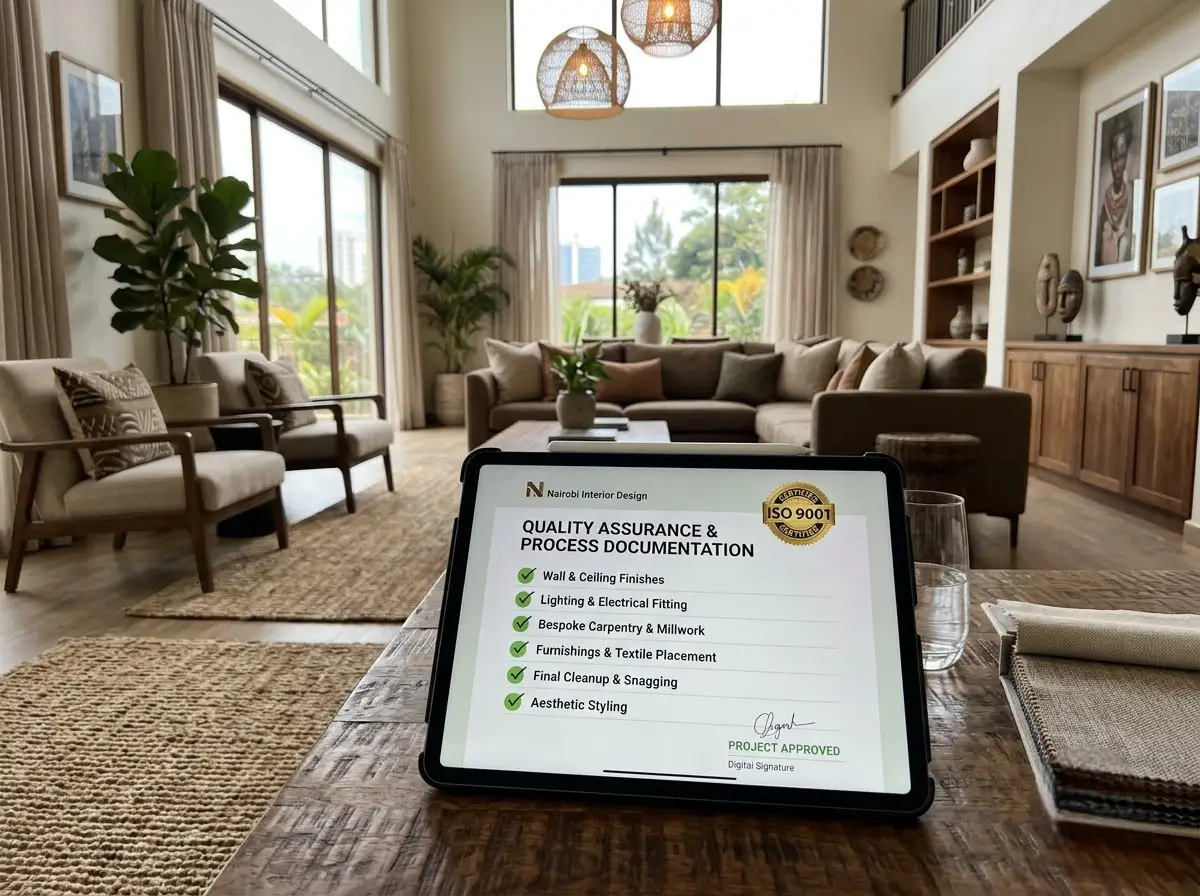
R World Enterprise Ltd. is ISO certified, working across residential, banking, hospitality, retail, and corporate sectors. That certification, alongside the company’s NCA Category 2 registration for construction work, reflects two separate but complementary layers of formal accreditation — one covering construction compliance, the other covering quality management process. Together, they give a client more than a design portfolio to judge the firm by.
Why Process Consistency Matters Across Different Sectors
A firm working across multiple sectors — residential, banking, hospitality, retail, corporate — faces a genuine challenge in maintaining consistent quality across such different project types. Formal quality management processes are part of what makes that range workable without quality dropping for any particular sector; without that structure, a firm risks becoming genuinely strong in one area and inconsistent in others, simply due to lack of standardised process.
What This Doesn’t Guarantee, to Be Fair
ISO certification is a process standard, not a style guarantee — it won’t tell you whether a firm’s aesthetic sensibility matches what you’re looking for, and it’s not a substitute for reviewing actual completed projects relevant to your needs. It’s one part of a broader picture, best combined with checking a firm’s portfolio, sector experience, and direct conversation about your specific project, rather than treated as a standalone reason to hire.
How to Actually Use This Information When Choosing a Firm
- Ask what the certification specifically covers for that firm — process, documentation, quality management
- Combine it with a look at actual completed projects relevant to your sector or project type
- Treat it as one credible data point among several, not a replacement for due diligence on style and fit
- Ask how the firm maintains consistency across different project types and sizes
FAQ: ISO Certification for Interior Design Firms
What does ISO certification actually mean for an interior design company?
It relates to consistent quality management processes within the business, aiming for reliable standards across all projects rather than depending on individual team members’ approach each time.
Does ISO certification guarantee a particular design style or aesthetic?
No — it’s a process standard, not a style guarantee. It’s worth combining with a review of a firm’s actual completed projects to judge aesthetic fit separately.
Why does process consistency matter more for firms working across multiple sectors?
Working across residential, commercial, and other sectors creates genuine challenges maintaining quality consistently — formal process standards help prevent a firm being strong in one area and inconsistent in others.
Is R World Enterprise Ltd. ISO certified?
Yes — R World is ISO certified, alongside being registered with the National Construction Authority under NCA Category 2 for construction work.
Should ISO certification be the only factor in choosing a design firm?
No — it’s a useful, verifiable data point best combined with reviewing actual project work and discussing your specific needs directly with the firm.
The Short Version
ISO certification isn’t just a credential to skim past on an “about us” page — it signals a structured approach to quality and consistency across projects, which matters more than it might seem when you’re trying to judge whether an interior design firm in Nairobi will deliver reliably, not just on their best showcase project. R World Enterprise Ltd.’s ISO certification, alongside its NCA registration, reflects exactly this kind of formal accountability.
Discuss your project with ISO-certified R World Enterprise Ltd. or browse the project portfolio.
Curious what ISO certification looks like in practice?
Ask us what it covers and how it applies to your project.
Contact Us