

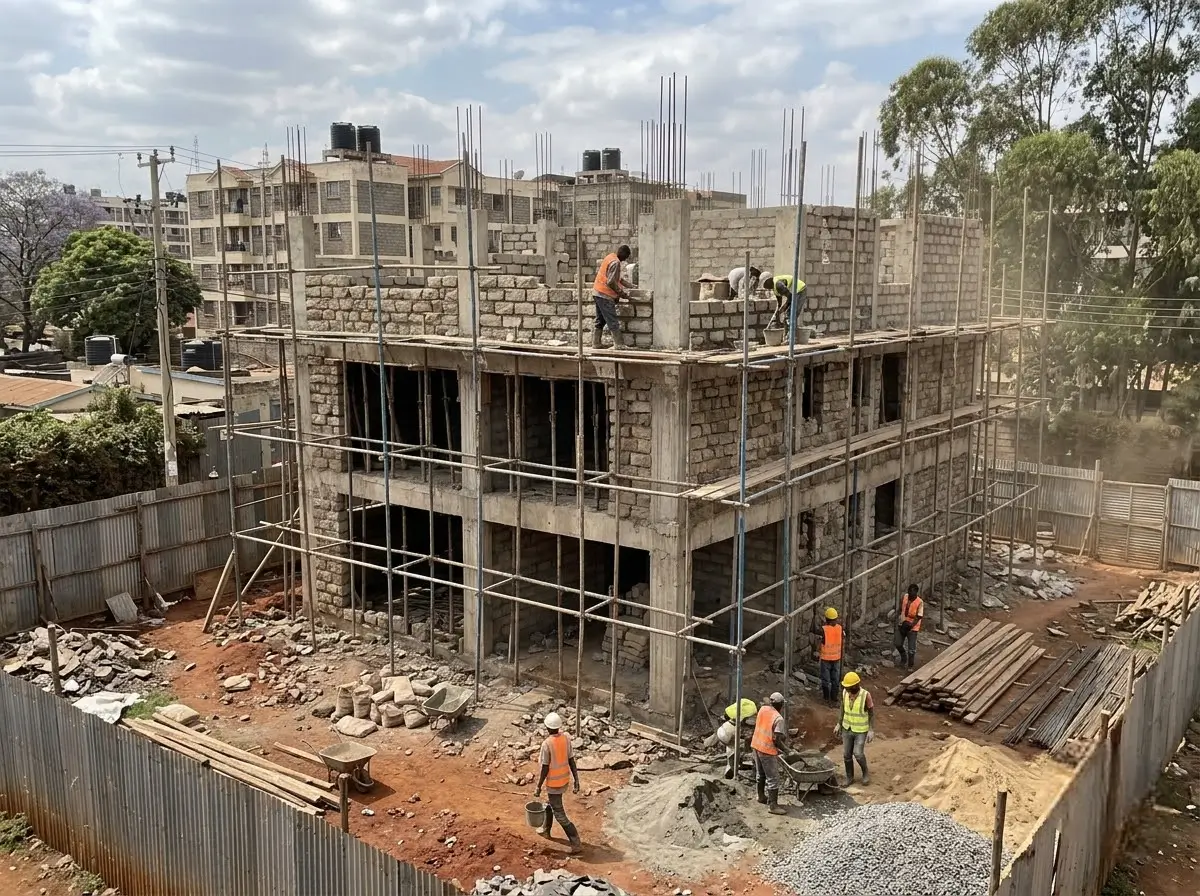
“How long will this actually take?” is one of the first questions any client asks, and it’s also one of the hardest to answer honestly without knowing the specifics of a project. What’s genuinely useful, though, is understanding the stages construction contractors in Kenya actually move through — because knowing the sequence helps you judge whether a quoted timeline is realistic, rather than just hoping for the best.
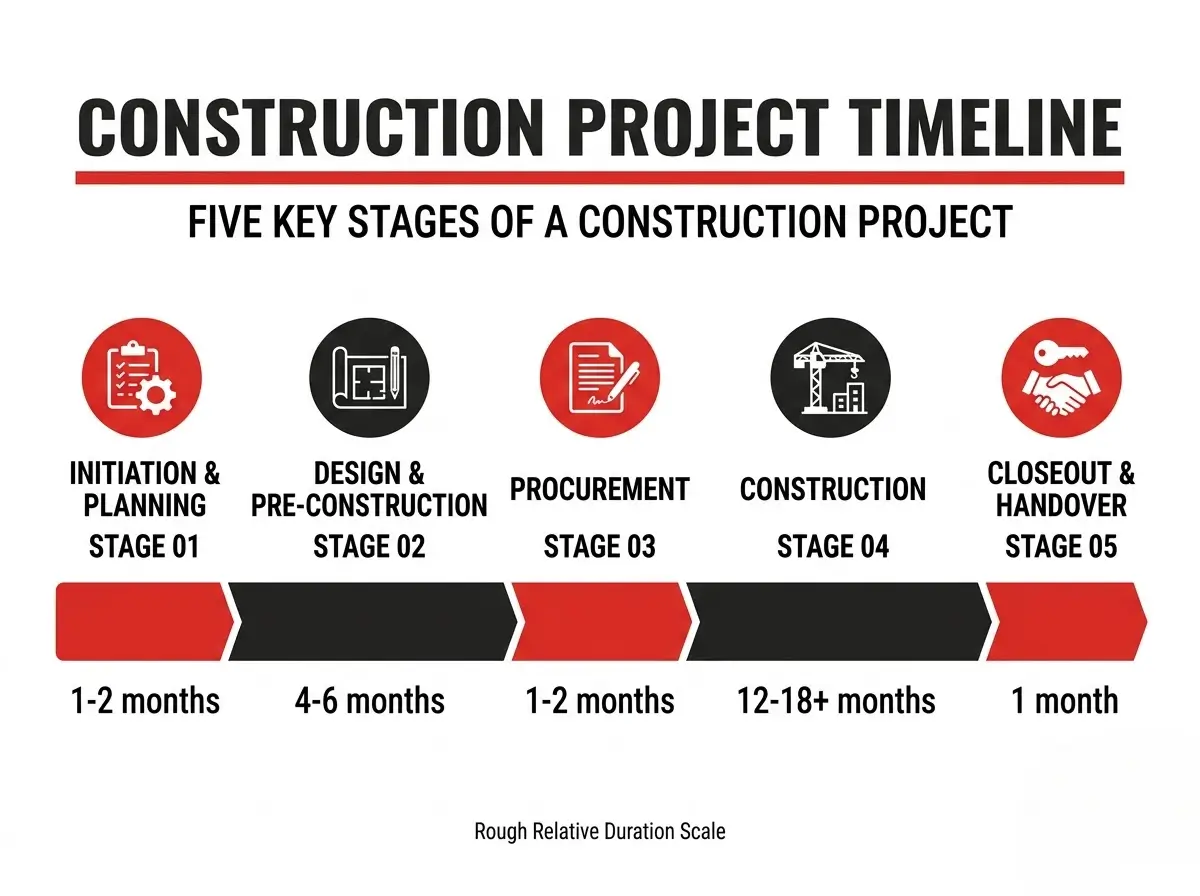
The Stages of a Typical Project
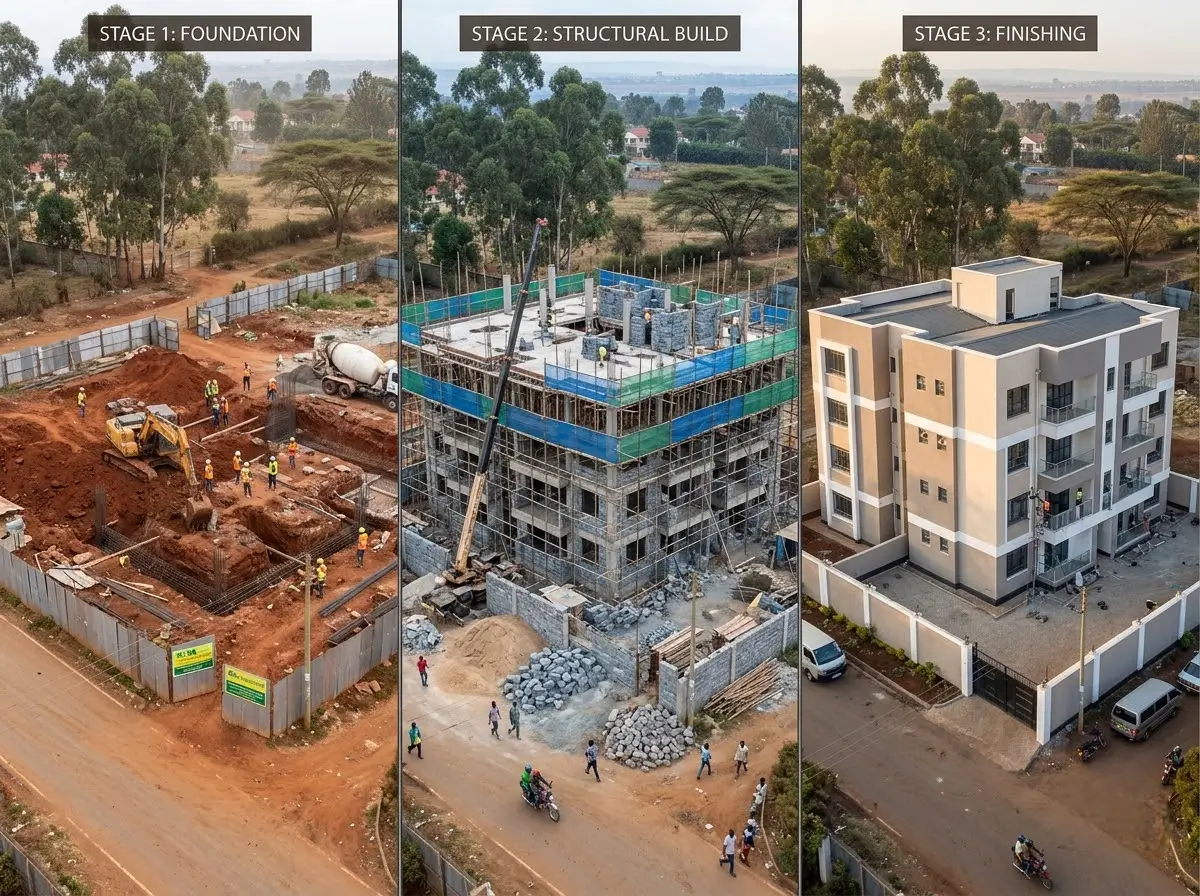
| Stage | What Happens | What Can Affect Timing |
|---|---|---|
| Planning & design | Architectural planning, approvals, material selection | Scope clarity, how quickly approvals are processed |
| Groundbreaking & foundation | Site preparation, foundation laying | Site conditions, weather, access |
| Structural build | Walls, roofing, core structural work | Material availability, labour coordination |
| Fit-out & finishes | Electrical, plumbing, interior finishes | Finish complexity, material lead times |
| Final inspection & handover | Quality checks, compliance sign-off, handover to client | Thoroughness of earlier stages — rushed work often means rework here |
Why No Contractor Can Give You an Honest Number Over the Phone
A contractor who quotes a precise completion date without seeing the site, understanding the scope, or discussing material choices is giving you a guess, not a plan. Scope clarity drives timeline accuracy more than almost anything else — a well-defined brief takes less time to plan and less time to build, while an ambiguous one tends to generate delays as decisions get made mid-project instead of upfront.
Design & Build vs. Separate Contractors — Why It Affects Timing
One of the biggest timeline differences comes down to project structure. A design and build approach, where one team — like R World Enterprise Ltd. — manages the project from architectural planning through to construction, removes the back-and-forth that happens when a client is coordinating separately between an architect and a builder. That coordination gap, common when clients hire these roles independently, is a frequent and avoidable source of delay.
Design & Build vs Separate Contractors at a Glance
| Consideration | Design and build (one team) | Separate architect and builder |
|---|---|---|
| Who manages the project | One team, from architectural planning through to construction | The client, coordinating between an architect and a builder |
| Back-and-forth between parties | Removed | Common when the roles are hired independently |
| Effect on timing | Fewer delays from the coordination gap | A frequent and avoidable source of delay |
What Actually Causes Delays
Beyond scope clarity, a few recurring factors affect how closely a project sticks to its planned timeline:
- Material availability — delays in sourcing specific finishes or fittings can hold up the fit-out stage even when structural work is on schedule
- Site conditions — existing structure, access, and ground conditions can affect how predictable the groundbreaking and foundation stage actually is
- Decision-making speed — clients who take time deciding on finishes or changes mid-project add real delay, even when the contractor is working efficiently
- Weather and seasonal factors — particularly relevant for groundbreaking and exterior work
Why the Final Stage Matters More Than It Gets Credit For
Final inspection and handover often gets treated as a formality, but it’s where rushed work from earlier stages becomes visible. A contractor that builds in proper quality checks throughout the project, rather than only at the very end, tends to avoid the kind of last-minute rework that can add weeks to an otherwise on-schedule project. This is part of why sector experience and a track record matter — R World’s project history across residential, banking, hospitality, retail, and corporate work reflects practice managing this full sequence repeatedly, not just the early, more visible stages.
What to Ask a Contractor About Timeline Before You Hire
- What’s a realistic timeline range for a project like mine, based on similar past work?
- What stage tends to cause the most delay in their experience, and how do they manage it?
- Is the project being handled as design and build, or will I need to coordinate separate architects and builders myself?
- What happens to the timeline if I need to make changes partway through?
FAQ: Construction Project Timelines in Kenya
Can a contractor give me an accurate timeline before seeing my site?
Not a genuinely reliable one — timeline accuracy depends heavily on site conditions and scope clarity, both of which require an actual site visit and clear brief to assess properly.
Does design and build actually save time compared to hiring separately?
Generally yes — managing architectural planning and construction under one team removes the coordination gap that often causes delays when clients hire an architect and builder independently.
What’s the most common cause of construction delays in Kenya?
Material availability, site conditions, and how quickly clients make decisions on finishes or changes are among the most common recurring factors.
Why does the handover stage sometimes take longer than expected?
If earlier stages weren’t properly quality-checked, issues surface at final inspection, requiring rework that adds time at the end of the project rather than being caught earlier.
Does R World Enterprise Ltd. offer design and build project management?
Yes — the company offers construction, design & build, and interior design services, managing projects from planning through to handover.
The Short Version
Construction contractors in Kenya move through a consistent sequence — planning and design, groundbreaking, structural build, fit-out, and handover — but how closely a project sticks to its timeline depends on scope clarity, site conditions, and whether one team is managing the whole process. Understanding this sequence helps you judge any quoted timeline honestly, rather than just hoping it holds.
Discuss a realistic timeline for your project with R World Enterprise Ltd. or browse completed projects for a sense of past delivery.
Want a realistic timeline for your project?
Share your scope and we’ll walk you through how the stages would play out.
Contact Us