

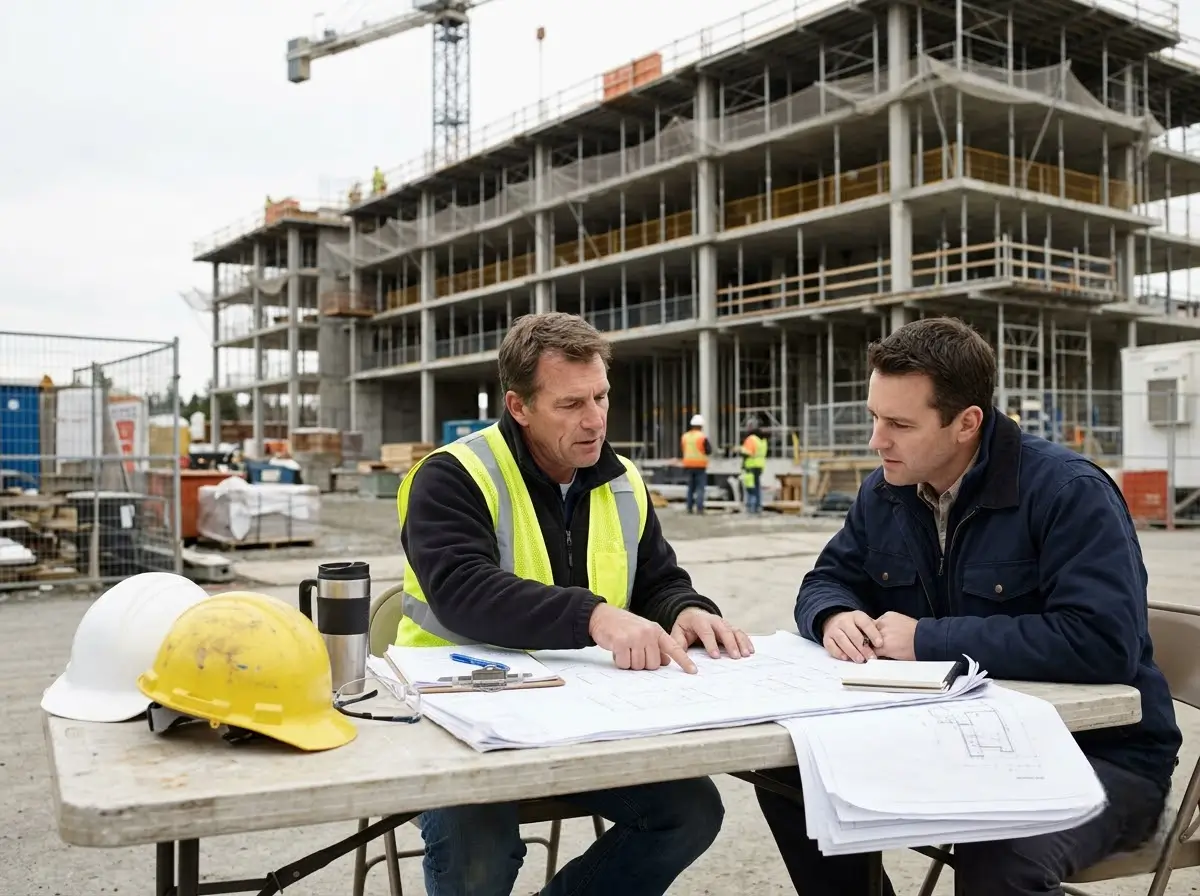
Nobody wants to think about what happens if something goes wrong during a construction project, which is exactly why insurance and liability questions tend to get skipped in the excitement of planning a build. They shouldn’t be. If an accident happens, a structure fails, or damage occurs during work, what happens next depends almost entirely on what was actually in place before the project started — not on goodwill after the fact. Here’s what to ask construction contractors in Kenya before anything gets signed.
Why This Question Matters More Than It Seems Upfront
Construction work carries genuine physical risk — to workers on site, to the property itself, and sometimes to neighbouring structures or the public. A contractor without proper insurance isn’t necessarily doing worse work, but if something does go wrong, the client is left with far fewer options for resolution. This is a risk question, not a quality question, and it deserves to be asked separately from questions about workmanship.
Key Questions to Ask Before Signing
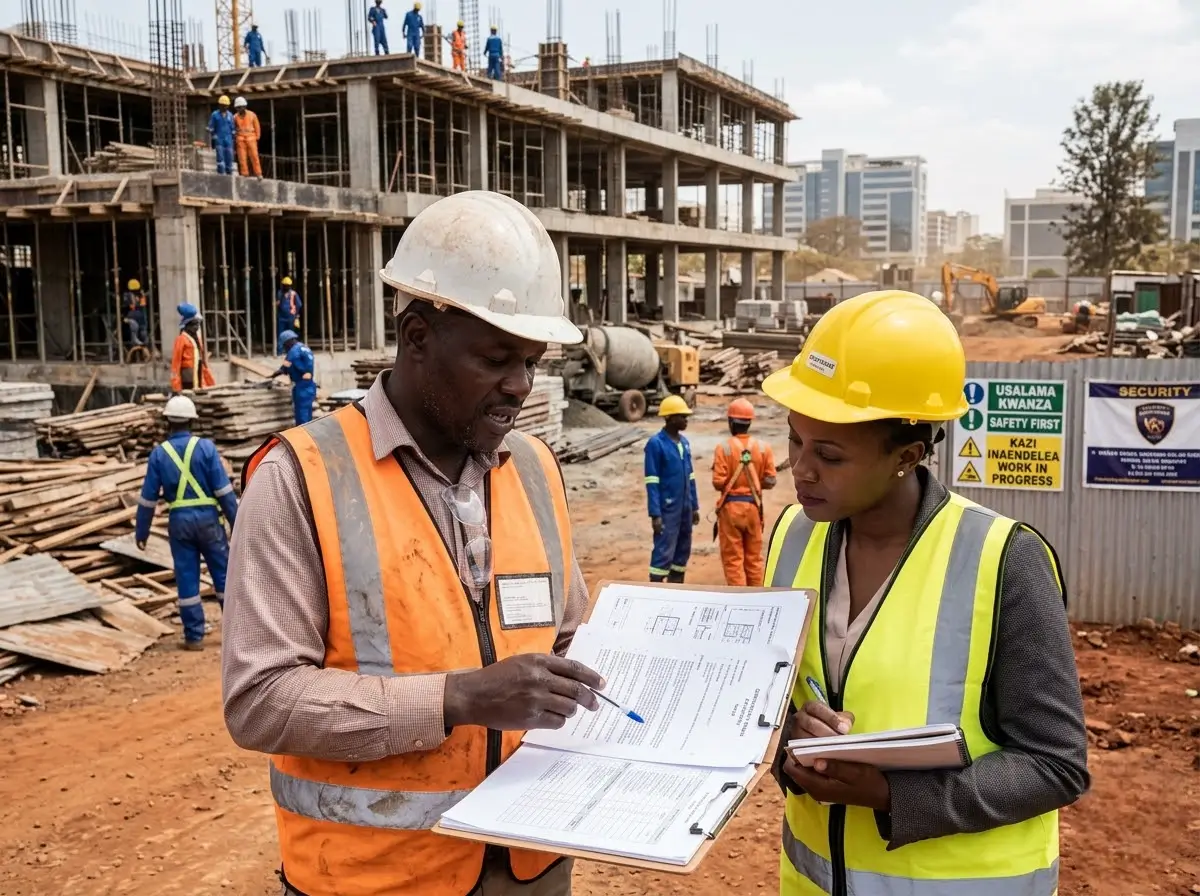
| Question | Why It Matters |
|---|---|
| Do you carry liability insurance? | Covers damage to property during the course of work |
| Is your workforce covered for workplace injury? | Protects both workers and you from liability if an accident occurs on site |
| What happens if structural work causes unexpected damage? | Clarifies who bears responsibility and cost |
| Are you registered with the National Construction Authority? | Confirms a baseline level of formal accountability |
| Can you provide documentation, not just a verbal assurance? | Separates genuine coverage from a convenient answer |
Why Registration and Insurance Tend to Go Together
A contractor registered with the National Construction Authority under an appropriate category — R World Enterprise Ltd., for example, is registered under NCA Category 2 — has generally gone through a level of formal accreditation that correlates with proper business practices, including insurance. This isn’t a guarantee on its own, but registration status is a reasonable starting point for judging whether a contractor is operating with the kind of formal accountability that makes insurance coverage more likely to actually be in place.
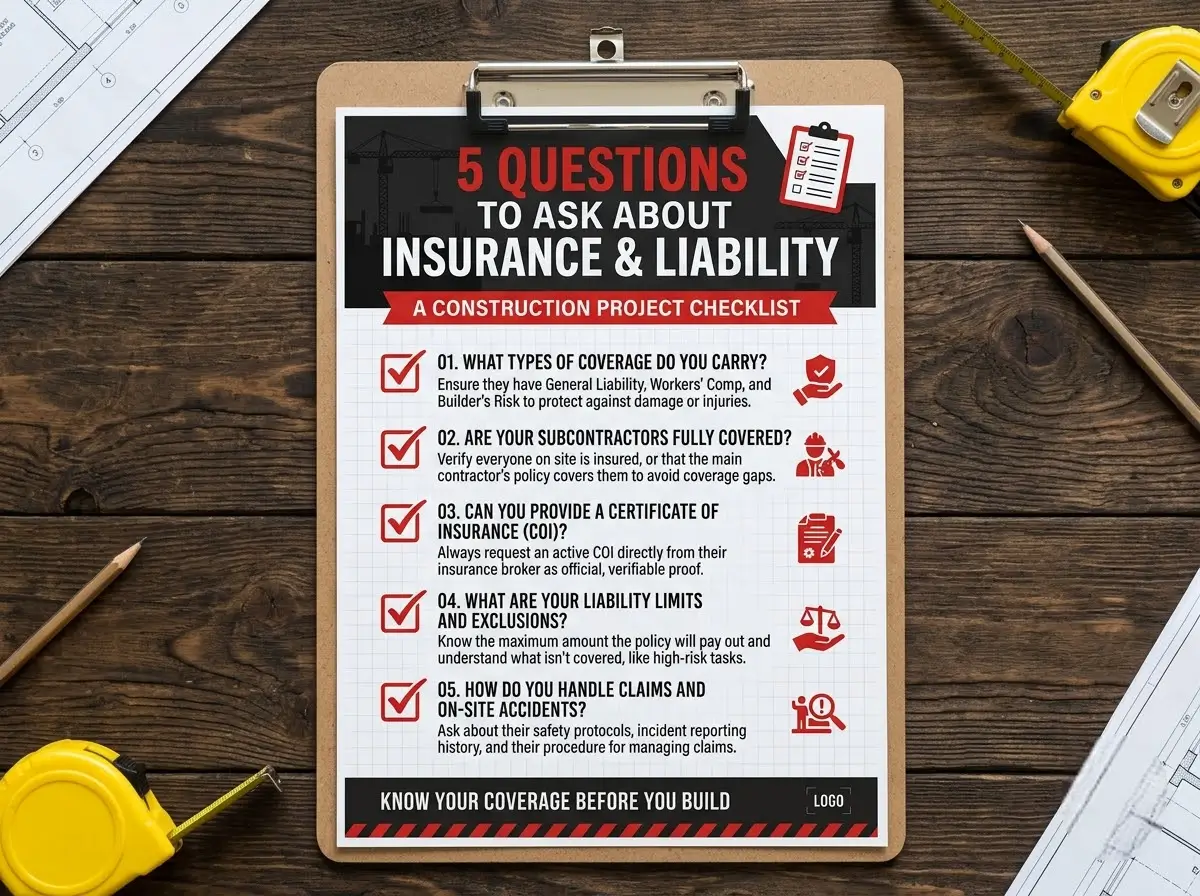
What “Liability” Actually Covers in Practice
Liability coverage, in a construction context, generally relates to damage or injury that occurs as a result of the work being carried out — whether that’s an accident involving a worker, unexpected structural damage, or harm to property beyond the immediate project site. Without this in place, resolving any of these situations falls back on informal negotiation rather than a structured, insurance-backed process, which can leave a client bearing costs that should reasonably sit with the contractor.
A Verbal Assurance Isn’t the Same as Documentation
It’s reasonable, and not at all confrontational, to ask a contractor to show proof of insurance rather than simply take their word for it. A contractor confident in their own coverage won’t hesitate to provide this. One that becomes vague or defensive when asked for documentation is giving you useful information, even if they don’t intend to.
How This Connects to the Scale of Your Project
The stakes around insurance and liability scale with the size and complexity of the project. A small repair job carries limited risk exposure either way. A structural renovation, new build, or commercial fit-out carries meaningfully more — more workers on site, more structural work, more potential for something to go wrong. The bigger the project, the more this question deserves a direct, documented answer rather than a general assurance.
Small Repair vs Larger Project at a Glance
| Consideration | Small repair job | Structural renovation, new build or commercial fit-out |
|---|---|---|
| Risk exposure | Limited either way | Meaningfully higher |
| People and structural work involved | Fewer workers, little structural work | More workers, more structural work, more potential for something to go wrong |
| What the insurance question deserves | Still worth asking, with less at stake | A direct, documented answer rather than a general assurance |
What to Do With the Answers You Get
If a contractor can clearly explain their insurance coverage, provide documentation on request, and confirm their NCA registration status, that’s a reasonable basis for confidence. If any of these raise more questions than they answer, it’s worth treating that as useful information before committing — not something to politely ignore because the rest of the conversation went well.
FAQ: Insurance and Liability for Construction Contractors
Why should I ask about insurance before hiring a contractor?
Because if an accident, structural issue, or property damage occurs during the project, what happens next depends on what coverage was in place beforehand — not on resolving it informally after the fact.
Is NCA registration related to insurance coverage?
Not automatically, but registered contractors have generally gone through a level of formal accreditation that correlates with proper business practices, including insurance — it’s a reasonable starting point for the conversation.
Should I ask for documentation, or is a verbal confirmation enough?
Documentation is reasonable to request and a contractor confident in their coverage will provide it without hesitation. Treat reluctance to document as useful information.
Does project size affect how important this question is?
Yes — the stakes scale with project complexity. Small repairs carry limited risk; structural work, new builds, and commercial fit-outs carry significantly more, making this question more important to get a clear answer on.
Is R World Enterprise Ltd. a registered, accountable contractor?
Yes — R World is registered with the National Construction Authority under NCA Category 2, reflecting a formal level of accreditation for its project scale.
The Short Version
Asking construction contractors in Kenya about insurance and liability before signing anything isn’t an awkward question — it’s a reasonable, necessary step that determines what actually happens if something goes wrong during your project. Registration status, documented coverage, and a contractor’s willingness to answer clearly are all part of judging this properly before committing.
Discuss your project and our registration with R World Enterprise Ltd. or browse completed projects.
Want to talk through your project before you sign?
Ask us about the project, our NCA registration, or anything else you’d like to check first.
Contact Us