

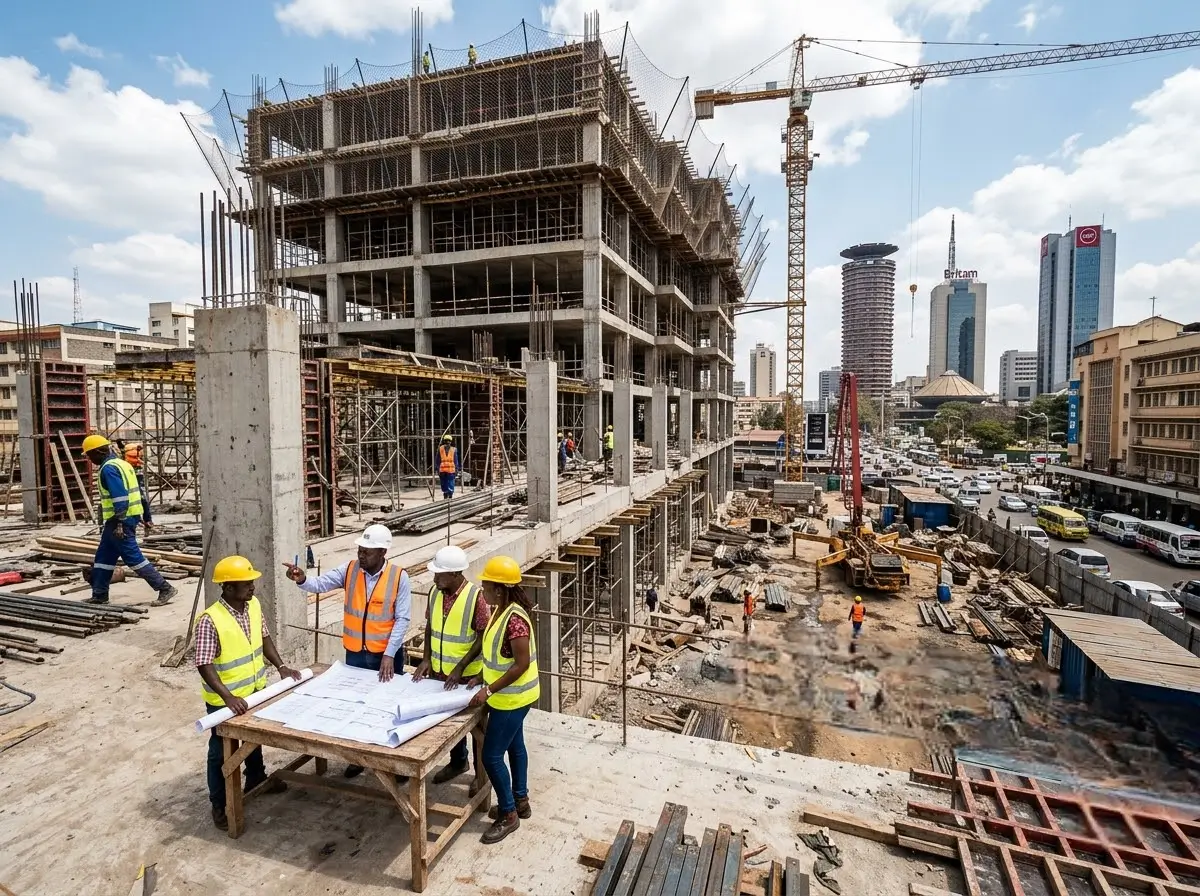
Most people hiring construction contractors in Kenya for the first time know what they want the finished building to look like. Far fewer know what actually happens between signing a contract and getting the keys, which is exactly the part where projects tend to slip, either on cost, on timeline, or on quality that only becomes obvious once it’s too late to fix cheaply.
Here’s what a properly structured build process actually involves, stage by stage, so you know what to expect and what’s worth checking before you sign anything.
Why the Process Matters More Than the Pitch
Almost every construction contractor in Kenya can show you glossy renders and a list of past clients. Fewer can walk you through exactly what happens in week three, or who signs off on a design change, or what triggers a cost variation. A contractor who can answer those questions clearly, before you’ve paid a deposit, is usually the one who’s actually run a structured process before.
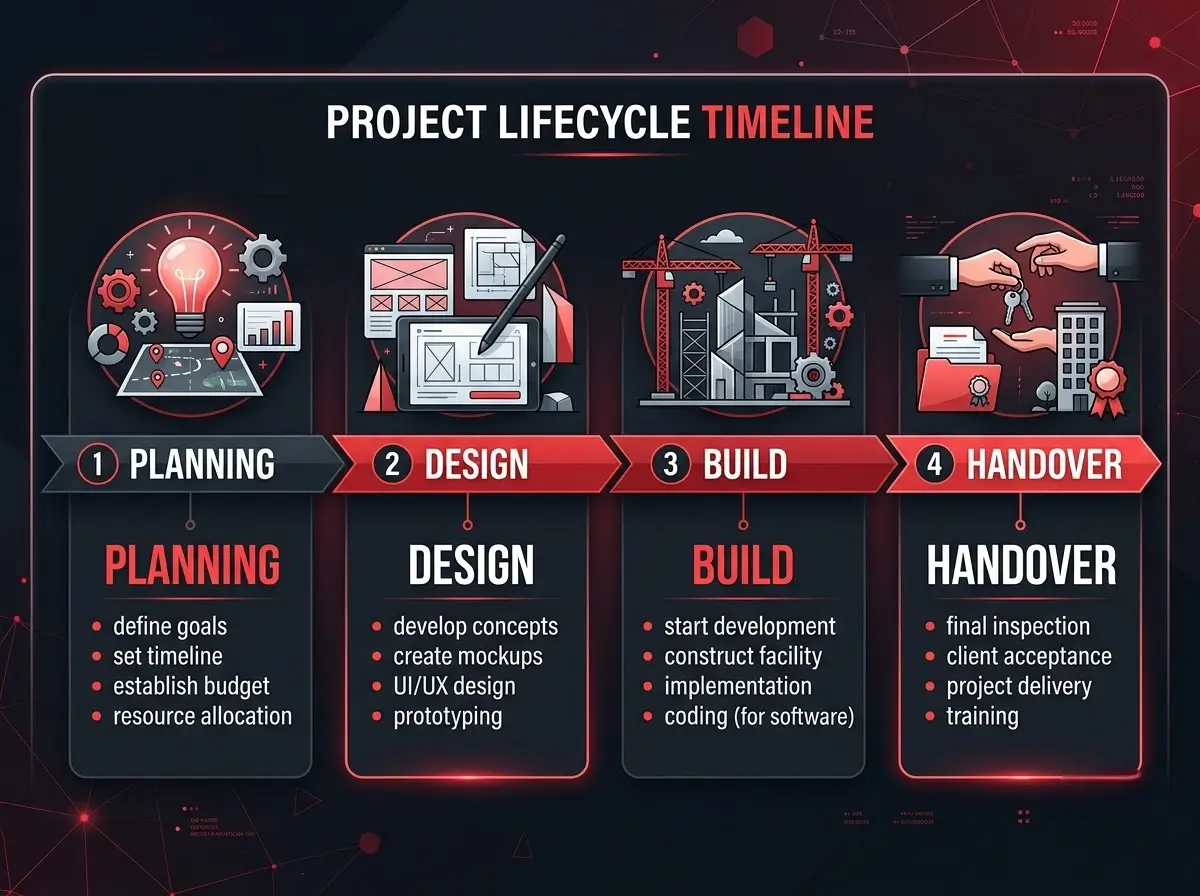
Stage One: Planning
A proper build starts with a consultation and a detailed site assessment, not a rough sketch and a quote. This stage is where budget, timeline, and project requirements get defined clearly, and it’s where risks get identified before they become expensive surprises mid-build. If a contractor skips straight to a price without this step, that’s worth questioning.
Stage Two: Design
Ideas become drawings and specifications here, whether the project is a fit-out, a renovation, or new construction. This is also where a proper contractor coordinates with engineers, surveyors, and the relevant authorities to secure approvals, which matters more in Kenya than it might elsewhere, since regulatory compliance issues caught after construction starts are far costlier than ones caught on paper.
Stage Three: Build
Construction itself, managed through material sourcing, coordination of skilled professionals, and structured oversight so that timelines and standards actually hold rather than drift. This is the stage clients see the most of, but it’s the two stages before it that usually determine whether it goes smoothly.
Stage Four: Handover
Handover is where a final inspection happens against the original scope, documentation gets compiled, and both sides formally sign off. A properly run handover includes a walkthrough that catches snags before the client moves in, not after, along with the warranties, certificates, and as-built drawings a client will need later. Skipping a thorough handover is how small defects turn into disputes a few months down the line.
What to Check at Each Stage
| Stage | What should happen | What to ask your contractor |
|---|---|---|
| Planning | Site assessment, budget and timeline defined | “Can I see a written scope before I sign?” |
| Design | Detailed drawings, coordination with engineers and authorities | “Who handles regulatory approvals, and how long does that typically take?” |
| Build | Material sourcing, skilled labour coordination, quality oversight | “How are cost variations communicated and approved?” |
| Handover | Final inspection, documentation, sign-off | “What happens if a defect shows up after handover?” |
Credentials Worth Checking Alongside the Process
A structured process means less if the contractor isn’t actually qualified to run it. In Kenya, contractors are registered with the National Construction Authority, and the category matters, a Category 2 registration reflects a capacity to handle larger projects under national regulatory standards. ISO 9001:2015 certification is a separate, internationally recognised quality management standard, and it’s worth asking whether a contractor holds it and since when, rather than taking the acronym at face value.
Where R World Fits Into This Process
R World Enterprise Ltd. has run this three-stage process, planning, design, and build, since being founded in 2002 and formally registered as a limited company in 2008. The business is NCA-registered under Category 2 for local contractors and achieved ISO 9001:2015 quality management certification in 2016, followed by Top 100 industry awards in 2018 and 2019 and an Industry Leadership Award in 2022. Work spans civil construction, design and build, and fit-out projects across residential, banking, hospitality, and corporate sectors in Nairobi, for clients including Microsoft, the BBC, and Aga Khan Hospital among others, which reflects a process that’s been tested across genuinely different project types, not just one.
FAQ: Working With Construction Contractors in Kenya
What’s the first step when hiring a construction contractor in Kenya?
A proper first step is a consultation and site assessment, not a straight quote. This is where budget, timeline, and scope get defined clearly before any design or construction work begins.
How do I know if a contractor is actually NCA registered?
Ask directly for their registration category and be willing to verify it independently rather than taking a homepage claim at face value. Category matters, since it reflects the scale of project a contractor is authorised to handle.
What’s the difference between design and build as separate services versus one combined process?
A combined design and build process means one company manages both stages under a single point of accountability, which tends to reduce delays and miscommunication compared with coordinating a separate architect and contractor.
Who handles approvals from local authorities during a build?
A properly structured contractor coordinates with engineers, surveyors, and relevant authorities during the design stage, securing approvals before construction begins rather than mid-build.
What happens if something goes wrong after handover?
Ask this question before signing, not after. A contractor confident in their quality standards should have a clear answer for how post-handover defects are handled, not a vague assurance.
Choose Construction Contractors in Kenya Who Can Walk You Through the Process
If you’re comparing construction contractors in Kenya, ask each one to walk you through their process stage by stage, R World included. Take a look at the civil construction and design and build services, read more about the company’s history, or get in touch to talk through your project. If you’re building or fitting out specifically for a bank or financial institution, our guide to construction for banks and financial institutions covers what changes for that kind of client.
A good pitch tells you what the building will look like. A good process tells you how you’ll actually get there.
Comparing construction contractors in Kenya?
Ask to see the process, not just the portfolio. Talk to our team about your project.
Contact Us