

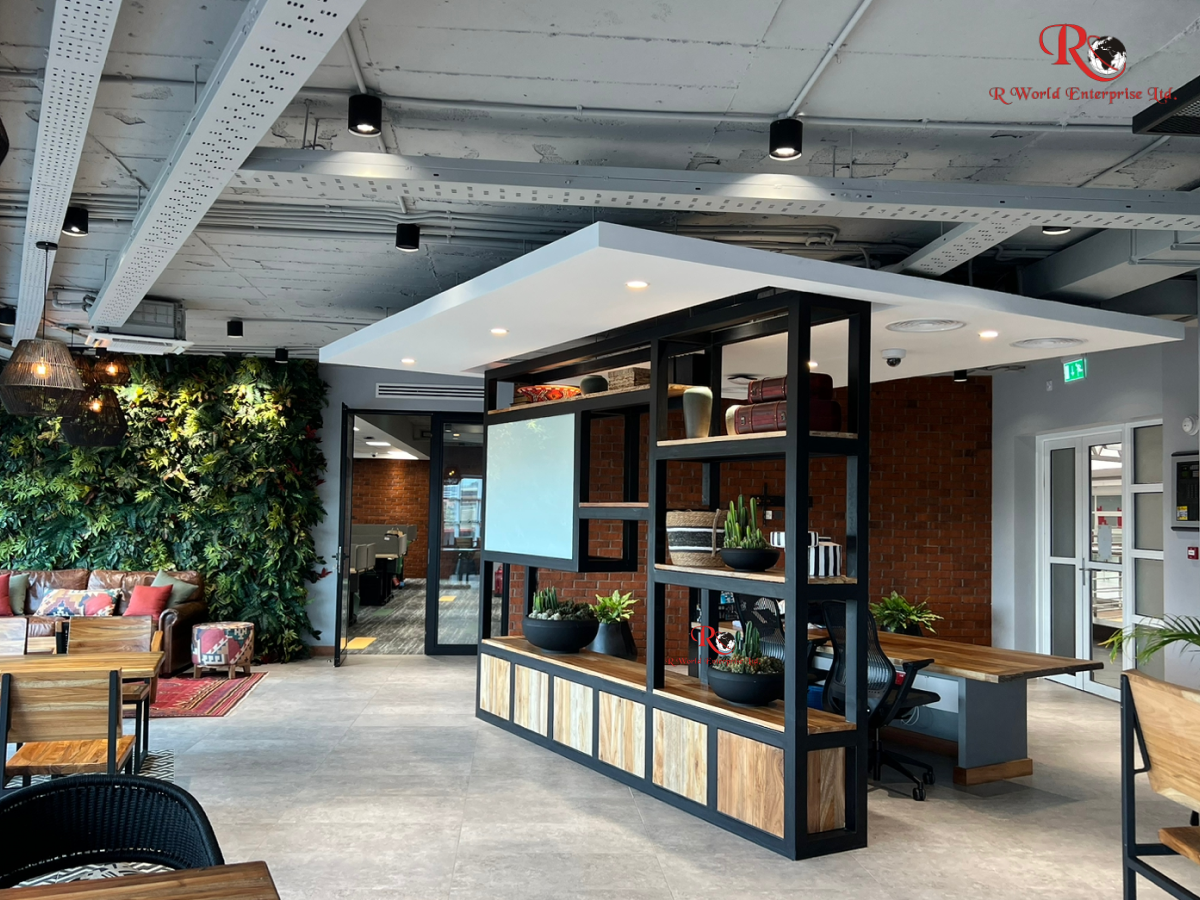
You walk into a house in Kenya, and the place just feels right. The rooms are proportioned well, the light doesn’t strain your eyes, and the furniture sits where it should rather than where someone decided it might look good in a photograph. You can’t always put a finger on why it works. You just know it does.
That’s not luck. That’s what the Best Interior Designers In Kenya is actually built on, and understanding the difference between a space that functions beautifully and one that merely photographs well matters more than most people realise until they’re living with the results.
What the Brief Actually Needs to Cover
Every project that ends well starts the same way: with the right questions. Not “what colours do you like?” but harder, more personal ones. How do you use this space on a Tuesday morning? Who’s walking through it, and what do you want them to feel? Do you need a dedicated work area, or does that spill across the dining table most days?
The best interior design companies in Kenya take this stage seriously. Not because it’s polite to ask, but because a home designed around how someone actually lives looks completely different from one assembled around what was trending six months ago. R World Enterprises Ltd has been running this kind of brief with clients across Nairobi for years, residential projects, commercial fit-outs, full renovations, and the process always starts well before a single material gets specified.
Skip this stage and you end up with beautiful rooms that don’t quite work. A living area with too much afternoon glare. A kitchen island that interrupts how people naturally move. A home office with no natural light squeezed into a corner because it looked fine on the layout. None of these problems are visible on a mood board. You notice them six months after you’ve moved in.
The Technical Work Most People Don’t See
There’s a version of interior design that’s mostly selection: furniture, finishes, accessories. That work is real, and it matters. But the best interior designers in Nairobi are doing something more technical underneath all of that, and it’s this work that determines whether a space actually functions properly.
It starts with spatial analysis. How does light move through the rooms across the day? Where are the natural traffic paths, the routes people actually walk, and do they cut across where seating or work areas have been placed? In an open-plan office, what’s the acoustic situation once the space is full? A two-bedroom apartment in Kileleshwa with modest square footage can feel generous or cramped depending almost entirely on how the layout has been handled. That has nothing to do with how much was spent on the sofa.
R World works through this with clients directly. Not a polished concept presented on day one with a sign-off request, but a genuine back-and-forth, adjusting proportions, reconsidering layouts, checking that what gets built actually fits the way the client uses the space day to day.
Residential Work Is Personal in a Way Commercial Projects Aren’t
The best interior designs in Kenya for residential properties don’t come from handing a designer a magazine tearsheet and asking them to replicate it. You’re living with these decisions every day. The way morning light hits the kitchen. Whether the bedroom actually lets you switch off. Whether the sitting room feels like somewhere you want to be or somewhere you’ve been placed.
The firms that consistently get residential work right share one habit: they slow down. They resist the urge to move quickly into specifications, and they spend more time on the brief. It costs time at the front end. It saves a great deal of frustration and money at the back end.
R World’s residential work covers full home interior design across Kenya, from new builds to renovations to individual rooms, all approached with the same focus on making spaces genuinely liveable rather than just visually impressive. You can see the work at rworld.co.ke.
Why Office Design Is an Operational Decision
Commercial clients sometimes treat a fit-out as a one-off spend, something to sort and then not think about again. The top interior designers in Kenya who work on commercial briefs understand it differently. The way an office is laid out affects how teams work together, how clients read the business when they walk through the door, and whether the space is quietly working against productivity or actively supporting it.
An open-plan layout that looks clean in a render can be acoustically exhausting if the acoustic zones haven’t been thought through. Meeting rooms placed too close to open working areas bleed sound in both ways. A large executive suite separated from the main floor by a corridor creates a hierarchy that might not reflect how the business actually wants to operate.
These aren’t decorating concerns. They’re operational ones. The top interior design companies in Kenya working on commercial briefs understand the distinction, and the output is different for it. R World handles fit-outs across Nairobi for businesses of varying sizes, always with the same aim: a space that reflects who the client is and works for the people spending their days in it.
How to Read a Firm’s Track Record
The clearest signal that a design firm is doing something right is repeat business. Clients in Westlands, Karen, and Upper Hill don’t go back to a firm or refer their contacts because the photos were good. They go back because the project was managed properly, the brief was understood, and the finished space delivered what was actually discussed, not a close-but-not-quite version of it.
That’s the standard the best interior design companies in Kenya are held to by the people who use them. Good reviews and a strong portfolio matter, but they’re easier to manufacture than a record of clients who came back for their second project or sent a colleague through the door.
When you’re choosing a firm, ask about repeat clients. Ask how many of their current projects came through referral. The answers tell you more than the portfolio does.
Starting the Right Way
If you’re planning a residential project or a commercial fit-out and want to work with one of the top interior design companies in Kenya, start with the brief. Not the mood board, not the Pinterest folder, the brief. Who uses the space, how, and what does it need to do for them?
R World Enterprises Ltd has been doing this work in Nairobi long enough to know that the projects which go well are the ones where that conversation happens first. Get in touch at R World and start there.